Modern life exposes us to more artificial light than ever before. From smartphones and tablets to LED lighting and televisions, many of the devices we use daily emit blue light. While this light can be helpful during the day by improving alertness and focus, exposure to blue light in the evening can disrupt the body's natural sleep cycle.
Understanding how blue light affects sleep can help individuals make better choices about their nighttime environment and improve overall sleep quality.
The Dusk & Sable Collection
Explore our 100% blue-light-free sleep lamps — designed to support your evening wind-down without disrupting your natural sleep rhythm.
Shop Sleep Lamps →What Is Blue Light?
Blue light is a type of visible light with a short wavelength and high energy. It occurs naturally in sunlight and plays an important role in regulating the body's circadian rhythm — the internal clock that controls sleep and wake patterns.
During daylight hours, blue light helps the brain remain alert and supports healthy mood and cognitive performance. However, when exposure occurs late in the evening, it can interfere with the body's natural preparation for sleep.
How Blue Light Affects the Sleep Cycle
The body's circadian rhythm relies heavily on light signals to determine when to stay awake and when to sleep. As evening approaches and natural light decreases, the brain releases melatonin — a hormone that helps the body relax and prepare for sleep.
Exposure to blue light during the evening can delay the release of melatonin. When melatonin production is suppressed, the body may remain more alert and find it harder to fall asleep. Studies have shown that exposure to blue light before bedtime can delay sleep onset, reduce sleep quality, and shorten overall sleep duration.
This is why sleep experts often recommend limiting screen exposure in the hour before bedtime.
Common Sources of Blue Light
Blue light is present in many modern technologies, including:
- Smartphones and tablets
- Laptop and computer screens
- LED and fluorescent lighting
- Televisions
- Some bedside reading lights and clip on reading lights
Because these devices are frequently used during the evening, they can unintentionally disrupt the body's natural wind-down process.
Blue Light and Sleep Quality
Research suggests that evening exposure to blue light may affect both the ability to fall asleep and the depth of sleep achieved throughout the night. When melatonin production is delayed, the body may struggle to transition into deeper stages of sleep.
A study published in the journal Proceedings of the National Academy of Sciences found that people using light-emitting electronic devices before bedtime experienced delayed sleep onset and reduced melatonin levels compared with those reading printed books.
Over time, repeated disruption of the sleep cycle can contribute to fatigue, reduced concentration, and poorer overall sleep quality.
How to Reduce Blue Light Before Bed
Reducing blue light exposure in the evening can help support the body's natural sleep rhythm. Sleep specialists recommend several strategies:
Limit screen use before bed
Avoid using smartphones, tablets, or computers at least one hour before bedtime whenever possible.
Use warm lighting in the evening
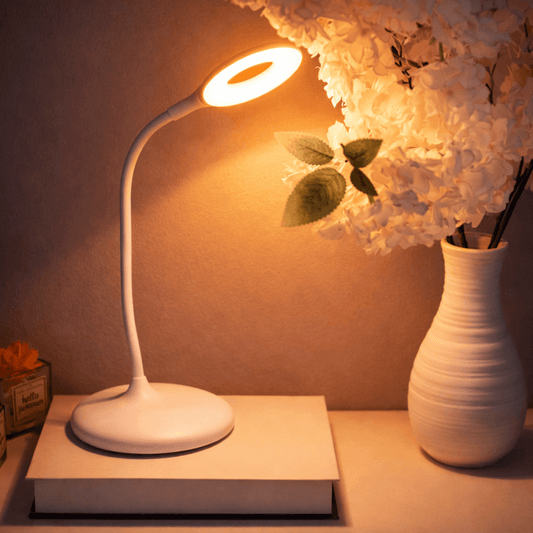
Soft, amber-toned lighting can help signal to the body that it is time to wind down. Our sleep lamps are 100% blue-light-free, making them ideal for evening reading and relaxation.
Create a relaxing nighttime routine
Activities such as reading, stretching, or meditation can help the body transition into sleep more naturally.
Consider blue-light-blocking lighting or lamps
A blue-light-free bed reading light or clip on reading light — like those in the Dusk & Sable range — provides gentle illumination for reading without disrupting melatonin production.
Choosing the Right Reading Light for Bed in Australia
For Australians looking to protect their sleep, choosing a reading light for bed that eliminates blue light entirely is one of the most effective changes you can make. Unlike standard bedside lamps or clip on reading lights that emit blue wavelengths, a purpose-built sleep lamp uses amber and red spectrum light to support your body's natural wind-down process.
Whether you prefer a flexible gooseneck clip on reading light or a freestanding bed reading light, the key is selecting a lamp that is 100% free from blue and green light — so your melatonin levels remain undisturbed as you wind down for the night.
The Dusk & Sable range is designed specifically for this purpose and is available across Australia with fast shipping.
Supporting Your Natural Sleep Rhythm
Blue light is an important part of the body's natural daytime alertness, but excessive exposure in the evening can interfere with the body's ability to prepare for sleep. By adjusting lighting habits and reducing screen use before bedtime, it is possible to support healthier sleep patterns and improve overall rest.
Creating a calm nighttime environment — with softer lighting and fewer digital distractions — can help the body follow its natural rhythm and achieve deeper, more restorative sleep.
Shop the Range
Ready to protect your sleep from blue light? Explore the Dusk & Sable sleep lamp collection.