The quality of your sleep begins long before your head hits the pillow. It starts with the space around you — the light filtering through your curtains, the temperature of the air, the quiet (or chaos) of your surroundings. A bedroom designed with rest in mind doesn't just look beautiful; it works with your body's natural rhythms to help you fall asleep faster, stay asleep longer, and wake feeling genuinely restored.
Here's how to create a sleep environment that truly supports deep, restorative rest.
The Dusk & Sable Collection
Explore our full range of 100% blue-light-free sleep lamps — designed to support your evening wind-down and a more restful night.
Shop Sleep Lamps →1. Embrace Darkness
Light is one of the most powerful cues your body uses to regulate its internal clock. Even low levels of artificial light in the evening can delay melatonin production — the hormone that signals it's time to sleep — and disrupt your natural sleep-wake cycle.
Blackout curtains are one of the most effective investments you can make for your bedroom. If you share a room with a partner who keeps different hours, or if you're a light sleeper sensitive to early morning sun, a quality sleep mask can be a simple and elegant solution. The goal is simple: the darker your environment, the deeper your sleep.
2. Keep It Cool
Your core body temperature naturally drops as you move into deeper sleep stages. A room that's too warm works against this process, leading to restlessness and more frequent waking through the night.
Most sleep researchers recommend a bedroom temperature between 16°C and 19°C for optimal rest. Breathable, natural-fibre bedding — think cotton, linen, or silk — can also help regulate your temperature throughout the night, keeping you comfortable without overheating.
3. Quiet the Room
Noise — even sounds you don't consciously register — can pull you out of deeper sleep stages and reduce overall sleep quality. Traffic, neighbours, or a partner's movements can all have a subtle but cumulative effect on how rested you feel in the morning.
Where you can't eliminate noise, consider masking it. White noise machines, soft ambient sound, or earplugs can create a consistent sound environment that makes sudden disruptions less jarring and easier to sleep through.
4. Invest in Comfort
A supportive mattress, quality pillows, and breathable sheets aren't luxuries — they're the foundation of good sleep. When your body is physically comfortable, it's far easier to relax fully and move through the deeper, more restorative stages of sleep.
Natural materials are worth prioritising here. Cotton, linen, and silk all help regulate body temperature and tend to feel more comfortable against the skin over long periods — which matters when you're spending seven to nine hours in bed each night.
5. Wind Down the Light Before Bed
The blue light emitted by phones, tablets, and laptops mimics daylight — and your brain responds accordingly, suppressing melatonin and keeping you alert when you should be winding down.
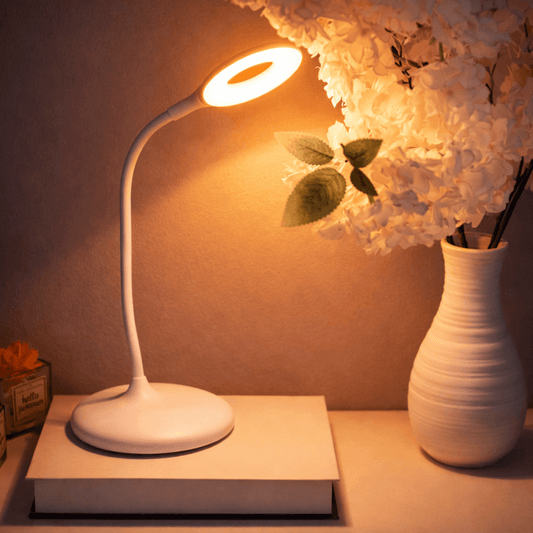
Try limiting screens in the hour before bed. Switching to warm, low-level lighting in the evening can make a significant difference to how quickly you fall asleep. A warm bedside lamp on a dim setting is ideal — it creates a sense of calm and signals to your body that the day is ending. Explore our sleep lamp collection for lighting designed with your evening wind-down in mind.
6. Build a Bedtime Ritual
The body responds well to consistency. Going to bed and waking at the same time each day — even on weekends — helps anchor your circadian rhythm and makes falling asleep feel more natural over time.
A simple wind-down ritual can also help bridge the gap between the busyness of the day and the stillness of sleep. Reading, gentle stretching, a warm shower, or a few minutes of quiet reflection can all signal to your nervous system that it's safe to slow down.
7. Reserve the Bedroom for Rest
The brain is remarkably good at forming associations. If you regularly work, scroll, or watch television in bed, your brain begins to associate that space with alertness rather than rest — making it harder to switch off when you actually want to sleep.
Keeping the bedroom calm, uncluttered, and reserved primarily for sleep helps reinforce the mental association between your bed and rest. Even small changes — like removing work items from the room or keeping surfaces clear — can have a meaningful effect.
The Environment That Makes Rest Possible
Deep, restorative sleep doesn't happen by accident. It's supported by an environment that works with your body rather than against it — one that's dark, cool, quiet, and free from the stimulation that keeps your nervous system on high alert.
Small, intentional changes to your bedroom can have a surprisingly significant impact on how well you sleep — and how you feel when you wake. Start with one or two adjustments and notice the difference.
Shop the Range
Ready to transform your sleep environment? Explore the Dusk & Sable sleep lamp collection.